Zespół: Baltic Team

Baltic Team, Visegrad Team
Komentarze IEŚ 436
31 August 2021
Łukasz Lewkowicz - Baltic Team, Visegrad Team

The Three Seas Initiative ahead of the Riga Summit: politically inspired, commercially driven

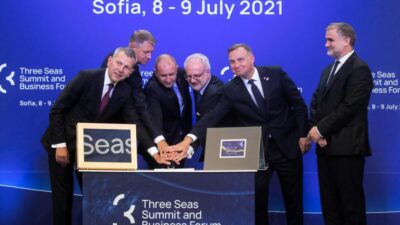
Next year’s Seventh Summit of the Three Seas Initiative (TSI) will be held in Riga. In light of the main challenge facing TSI, which is finding financing for priority projects in the region, President Egils Levits announced that Latvia plans to focus on raising private capital to improve transportation, energy, and digital infrastructure in this part of Europe. A kind of...

More →

Baltic Team

Komentarze IEŚ 434
26 August 2021
Michał Paszkowski - Baltic Team

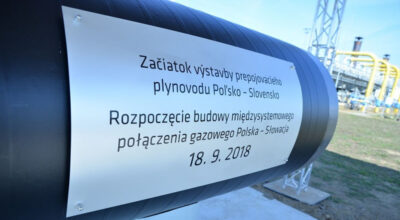
Winter is coming. Central European countries and their preparations for the increased natural gas demand

In Central European countries (as in other parts of the continent), the level of natural gas stored in underground gas storage (UGS) facilities before the coming autumn-winter period is low. This situation is a consequence of the limited availability of this commodity. Market conditions are not very favourable, and if such a situation continues in coming months, problems with the...

More →

Baltic Team

IEŚ Commentaries 390
19 May 2021
Marlena Gołębiowska - Baltic Team

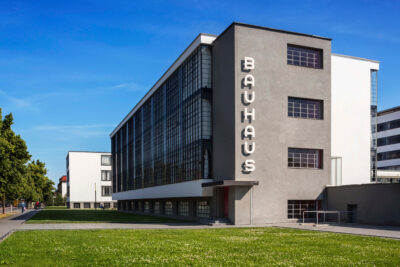
The New European Bauhaus: the challenges of Central Europe in terms of energy-efficient construction

The path to the ambitious European Union goal of climate neutrality leads largely through energy-efficient construction. Its creation is to be fostered by the New European Bauhaus – an initiative aimed at bringing together the knowledge and experience of representatives of various fields in order to redirect construction to low-carbon tracks. The countries of Central Europe face...

More →

Baltic Team

IEŚ Commentaries 389
19 May 2021

Pandemics of social inequalities: status of national and ethnic minorities in Latvia and Estonia

In Latvia and Estonia the pandemic highlighted and deepened socio-economic inequalities due to nationality and ethnicity. The higher rates of COVID-19 among minorities may have resulted from limited access to high-quality health services and information in minority languages. In addition, the lower socio-economic status of the minorities compared to the titular communities,...

More →

Baltic Team

IEŚ Commentaries 356
24 March 2021
Damian Szacawa - Baltic Team

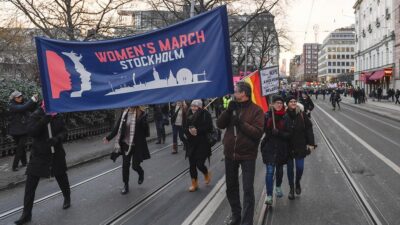
Sweden: gender equality and feminist foreign policy

Gender equality policy has been developed for many years in Sweden and is now one of the cornerstones of the country's international activities. It is visible especially in the course of Sweden’s activities on the forum of international organizations: the United Nations (UN) and the Organization for Security and Cooperation in Europe (OSCE). It is also the basis for feminist...

More →

Baltic Team

IEŚ Commentaries 345
3 March 2021
Marlena Gołębiowska - Baltic Team

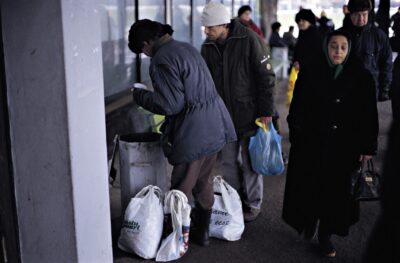
When food is scarce – Poverty in Central Europe

The picture of Central European poverty is clearly differentiated. In the Czech Republic, the rate of people at risk of poverty or social exclusion is the lowest in the entire European Union, while in Bulgaria – the highest. In total, 22 million citizens of the “new” EU countries were affected by this problem before the COVID-19 pandemic. The forecasts indicate...

More →

Baltic Team

IEŚ Commentaries 342
26 February 2021
Michał Paszkowski - Baltic Team

Oil companies in trouble: the condition of refineries in Central European countries

The refining industry, like many other sectors of the economy, is in an extremely difficult situation due to the COVID-19 pandemic. The introduced restrictions (e.g. closed land, sea, and air borders) resulted in a decrease in the demand for all types of fuels. There are over a dozen refineries in Central Europe which had to reduce cut runs. The persistently low refinery margins...

More →

Baltic Team

IEŚ Commentaries 343
26 February 2021
Damian Szacawa - Baltic Team

Passing time: dumped chemical munitions as a challenge for states in the Baltic Sea region

Chemical munitions and chemical warfare agents (CWAs) on the bottom of the Baltic Sea and related incidents are not a new challenge for states in the Baltic Sea region (BSR). The Helsinki Commission (HELCOM) and numerous international projects made it possible to initially identify the problem. However, further monitoring of the situation and research are needed to locate all dump...

More →