From 26 to 28 October, representatives of the Institute of Central Europe (IEŚ) participated in events organised by the College of Eastern Europe in Wrocław and Wojnowice. The discussions focused on Polish eastern policy, European security, the role of NATO and the Visegrad Group, and the consequences of Russia’s war against Ukraine, among other topics.
On 26 October, Dr Grzegorz Gil, Director of IEŚ, took part in an expert debate entitled “On Many Fronts: Eastern Policy from Security to Science”. The discussion explored various dimensions of Polish eastern policy, ranging from security issues to academic cooperation.
On 27 October, the programme also featured a discussion entitled “De-Post-Sovietisation of the South Caucasus”, dedicated to the book *Karabakh*, in which Dr Bartłomiej Krzysztan participated.
On 28 October, Associate Professor Agata Domachowska, an IEŚ expert, moderated the panel “Reliable Partners? The South-Eastern Flank: Bulgaria and Romania and the War in Ukraine”. Participants discussed the importance of Bulgaria and Romania for the security of NATO’s south-eastern flank and the impact of Russia’s war against Ukraine on the region. Dr Spasimir Domaradzki, Head of the IEŚ Balkans Team, also took part in the panel.
On the same day, Dr Jakub Bornio, an IEŚ analyst, participated in the panel “Can NATO Count on the V4? Can the V4 Count on NATO? The Visegrad Group and NATO’s Eastern Flank”. The discussion focused on cooperation between the Visegrad Group countries and NATO and its significance for the security of the Alliance’s eastern flank.
Dr Anton Saifullayeu, Deputy Director of IEŚ, took part in the panel “Entangled in War. Belarus and Russia’s War Against Ukraine: Implications for Regime Stability and Sovereignty”. The discussion addressed the impact of Russia’s war against Ukraine on Belarus’s political stability and sovereignty.
The participation of IEŚ representatives in these events provided an opportunity to exchange views and experiences with experts and representatives of institutions dealing with foreign policy and international security, as well as to discuss the most pressing challenges facing Central and Eastern Europe.
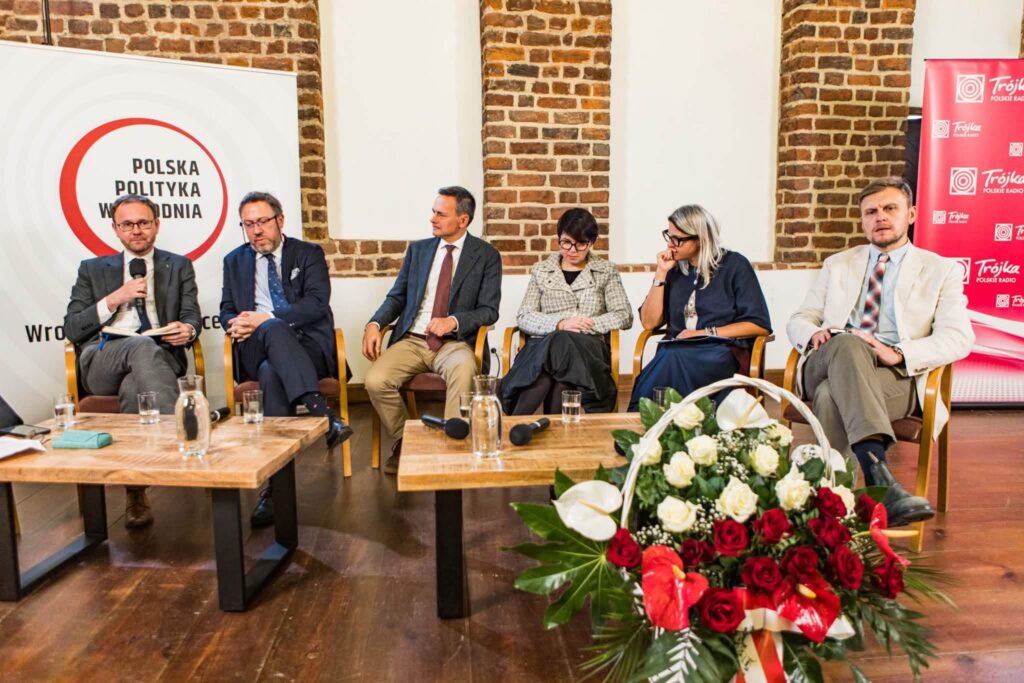
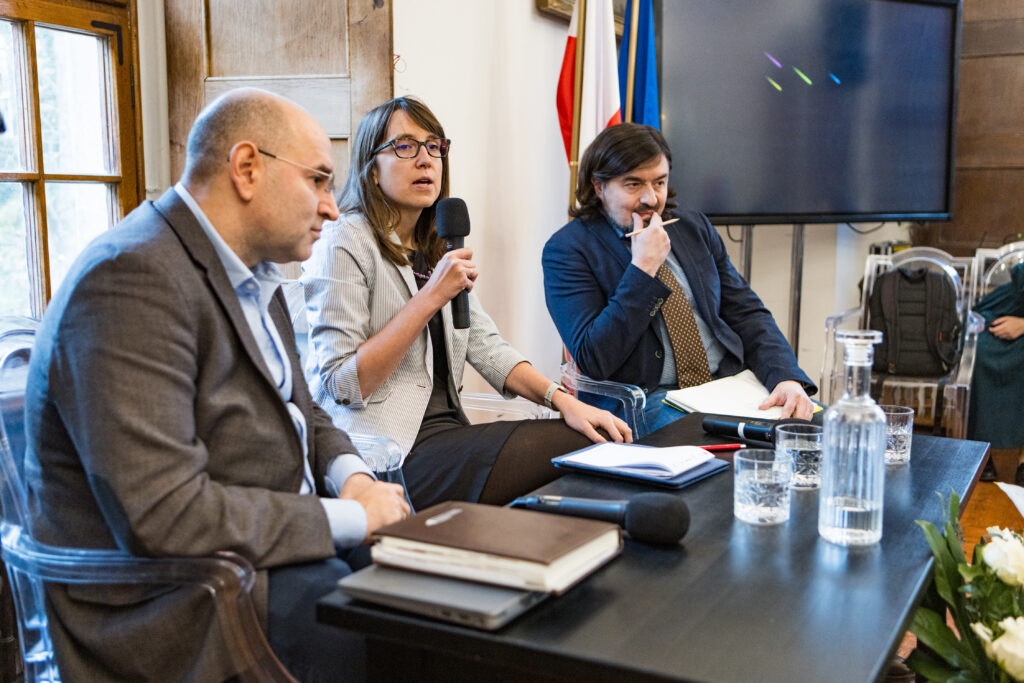
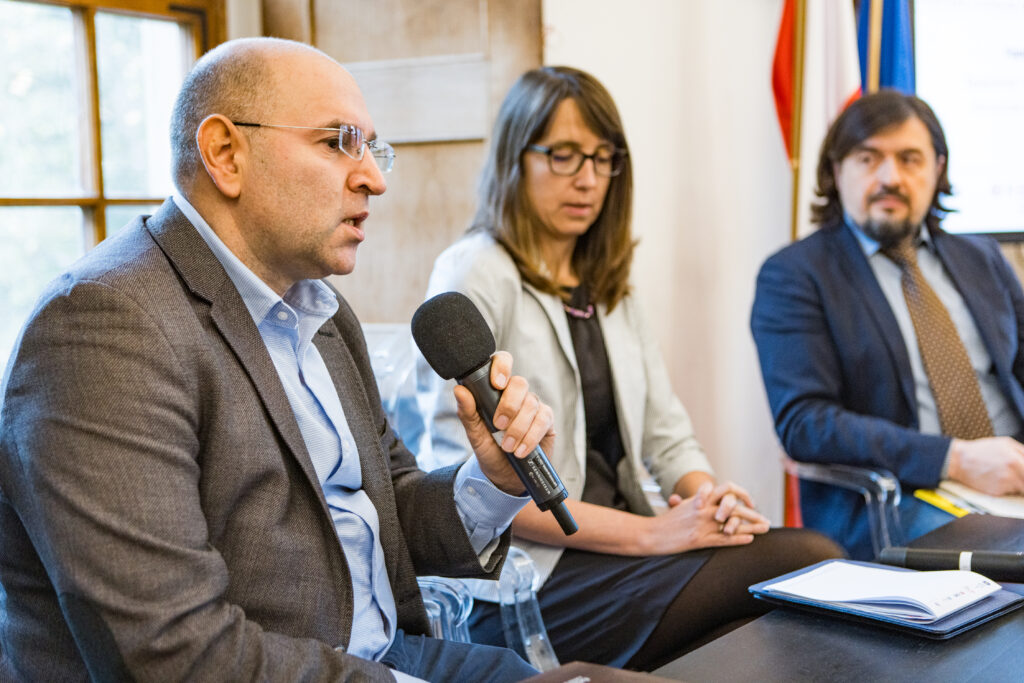
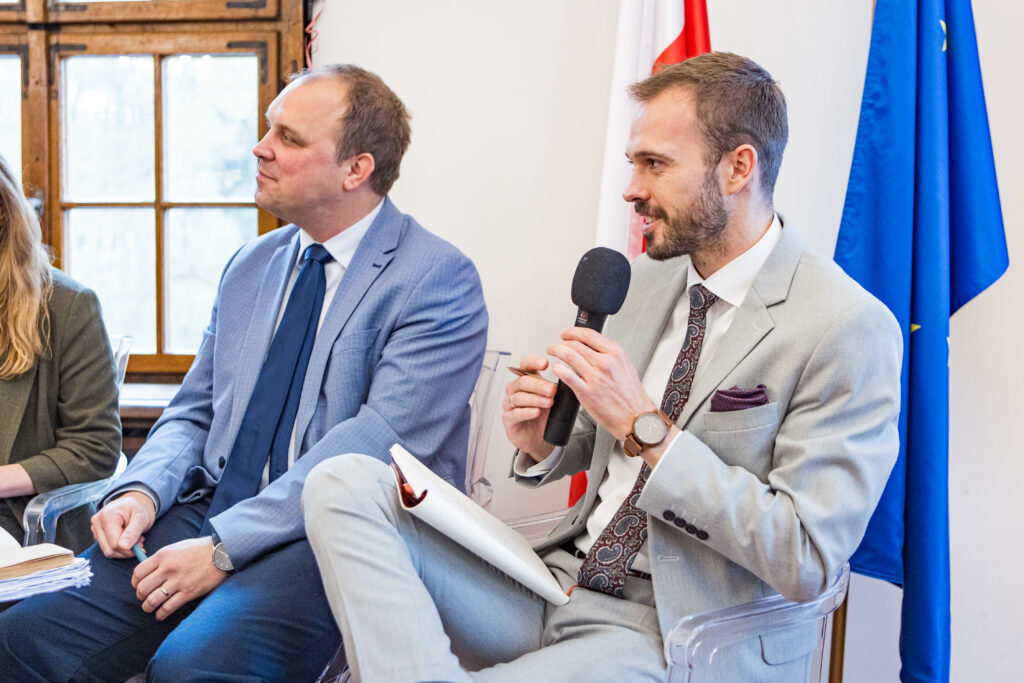
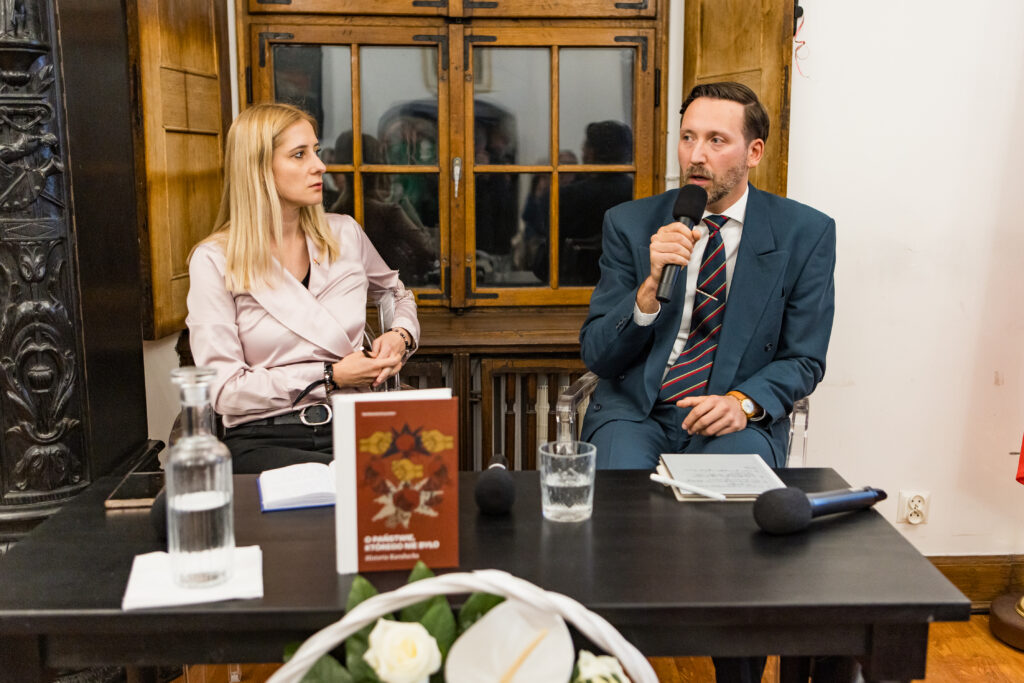
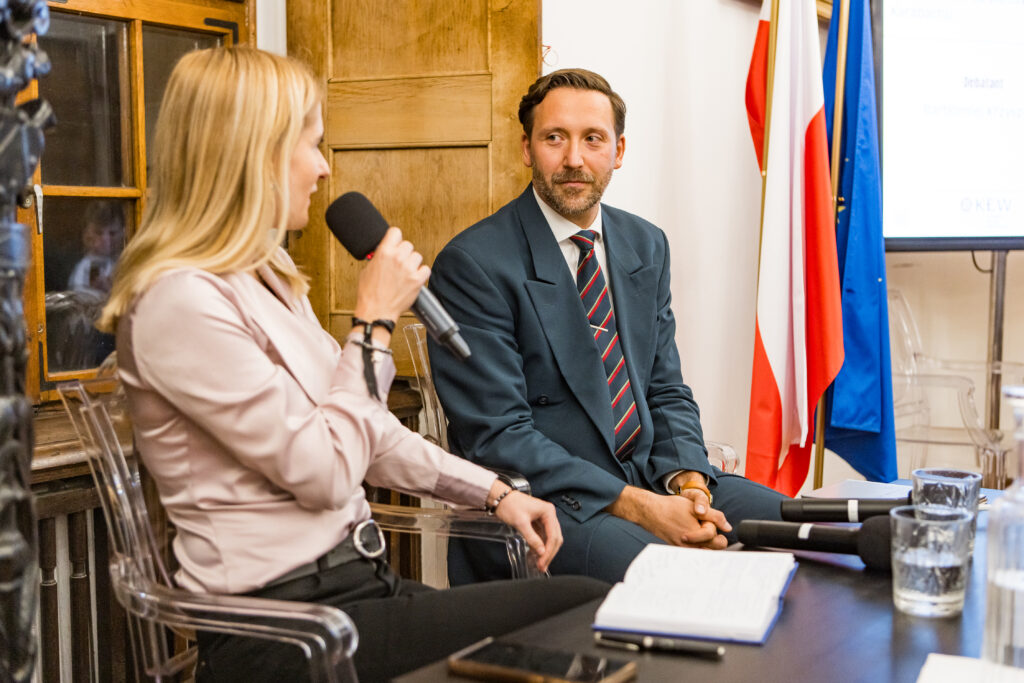
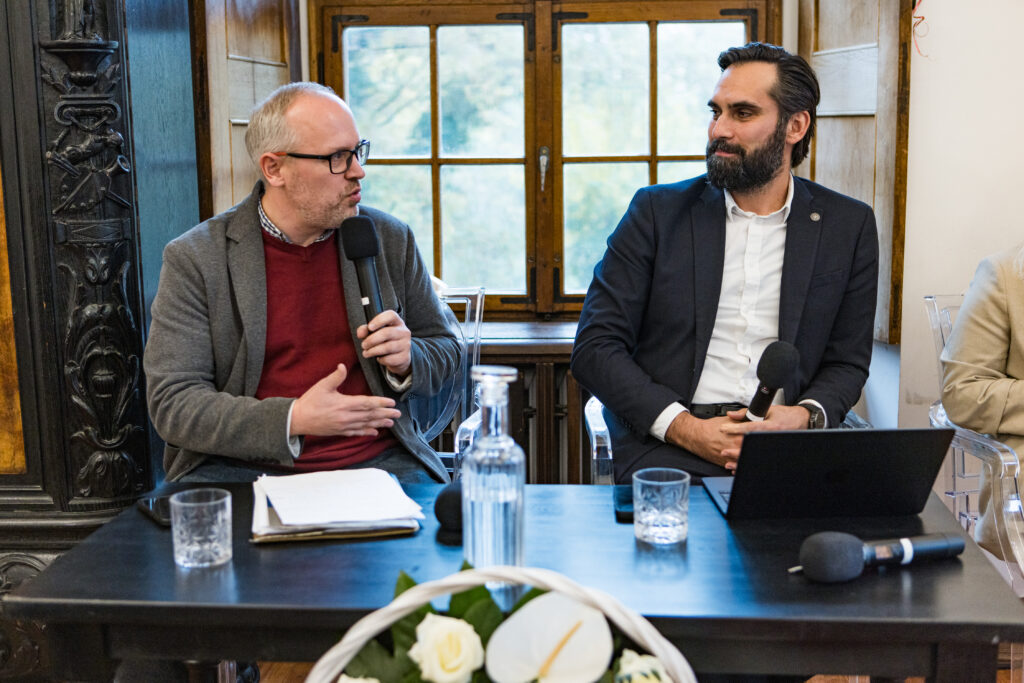
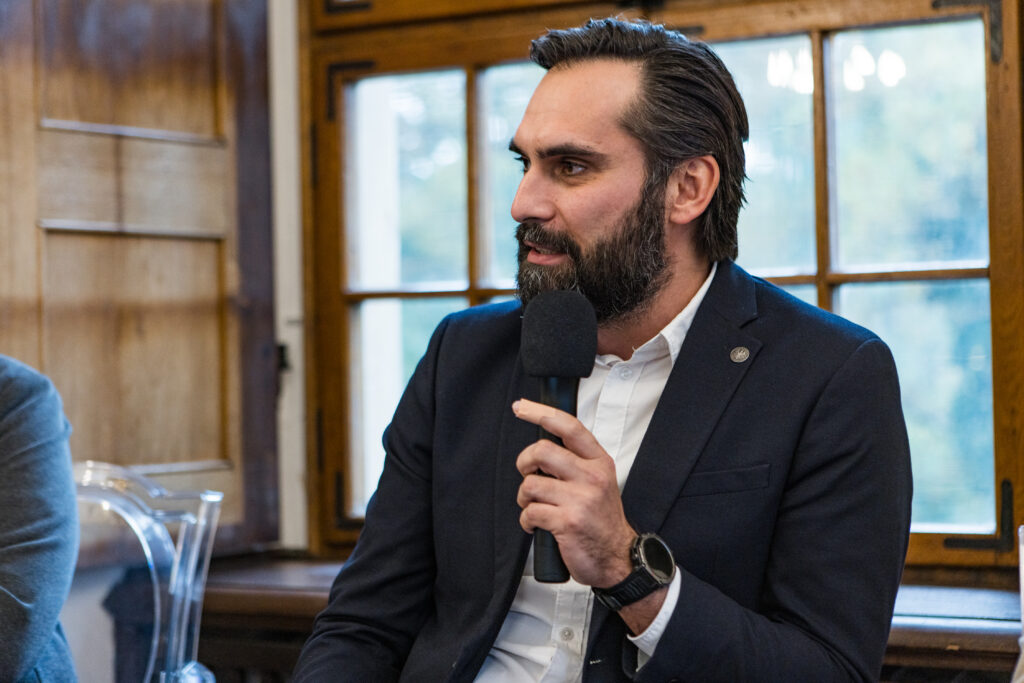
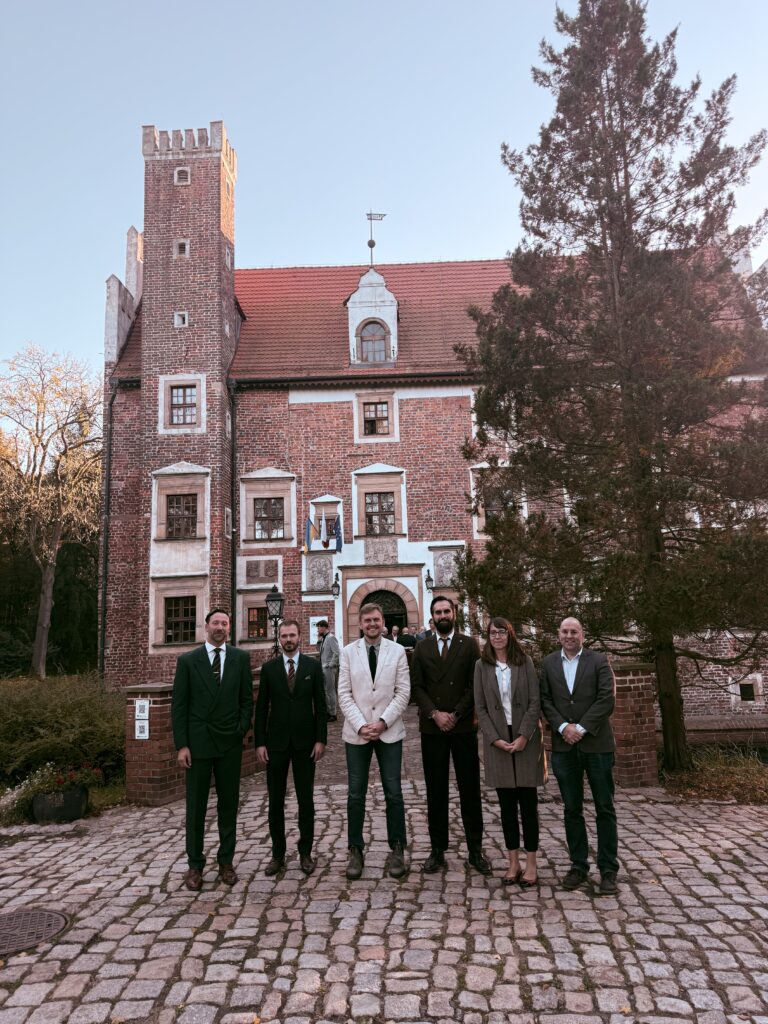
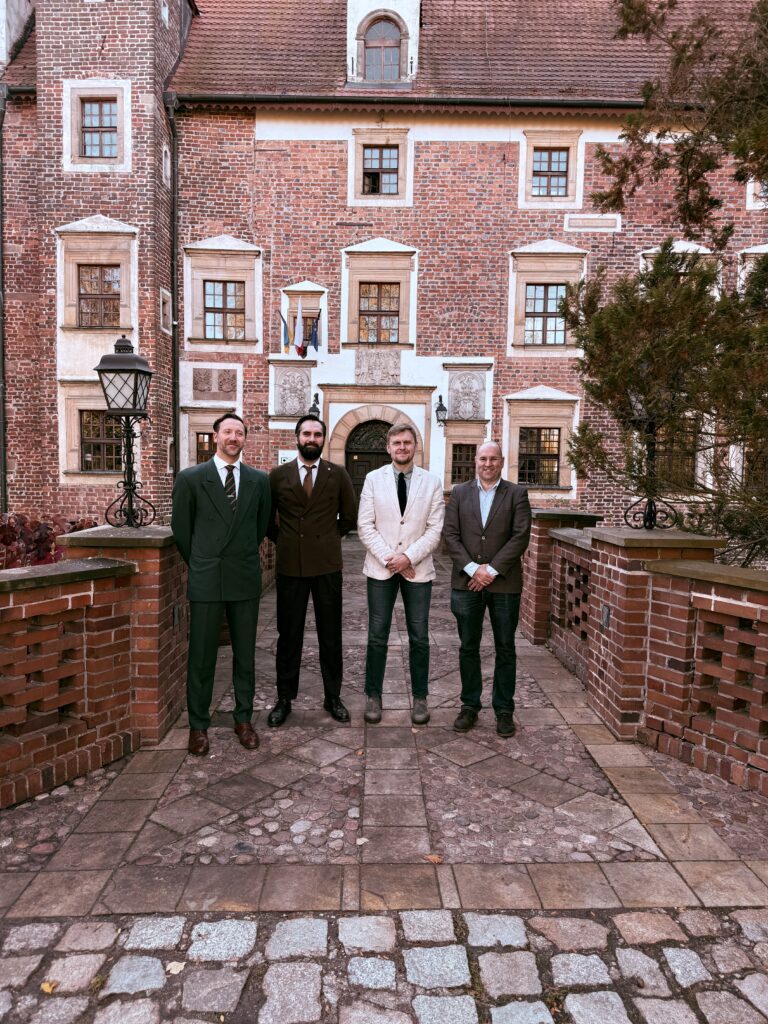


IEŚ experts at the College of Eastern Europe conference