Strengthening Baltic security and resilience – IEŚ and the Polish Embassy in Stockholm organise a seminar on Gotland
On 6 November 2026, a closed-door expert seminar entitled “Strengthening Baltic Security and Resilience: Polish-Swedish Perspectives on Regional Preparedness and Strategic Cooperation – Gotland as a Case Study” was held in Visby, Gotland. The event was organised by the Institute of Central Europe (IEŚ) and the Embassy of the Republic of Poland in Stockholm, and hosted by Uppsala University – Campus Gotland.
Held two years after Poland and Sweden signed an enhanced strategic partnership agreement in Harpsund, the seminar focused on opportunities to deepen bilateral cooperation in strengthening security in the Baltic Sea region and societal resilience. Gotland served as a case study for the discussions. Its strategic location is of crucial importance to regional defence, while the possibility of the island being cut off from the mainland poses particular challenges for civil preparedness.
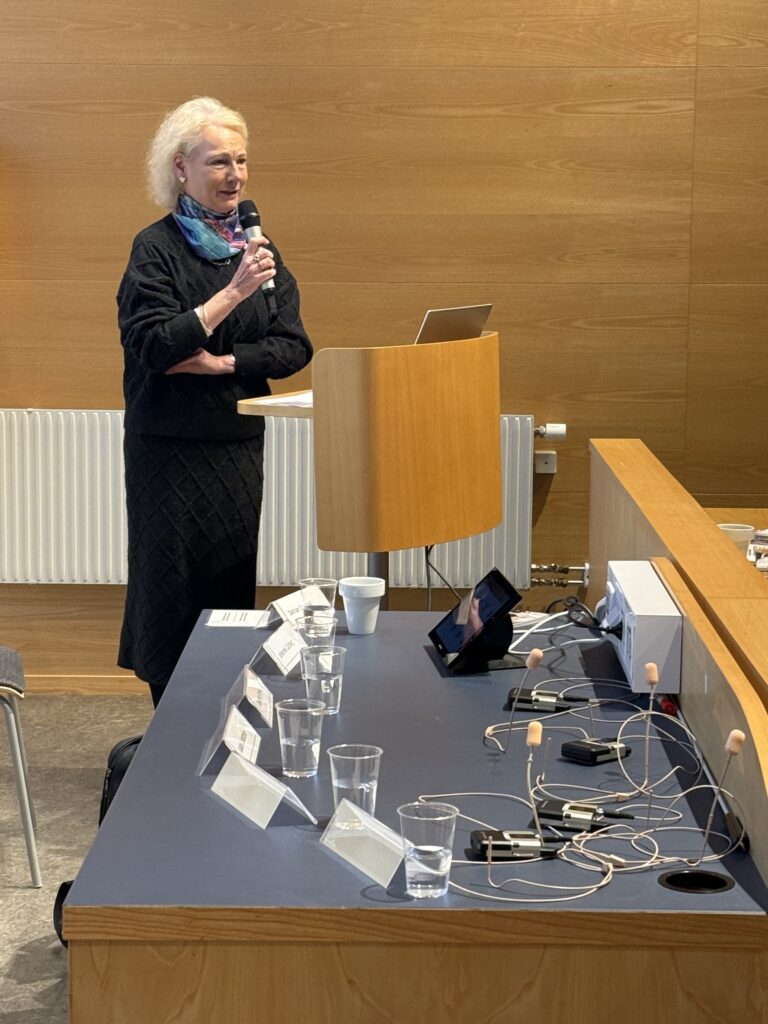
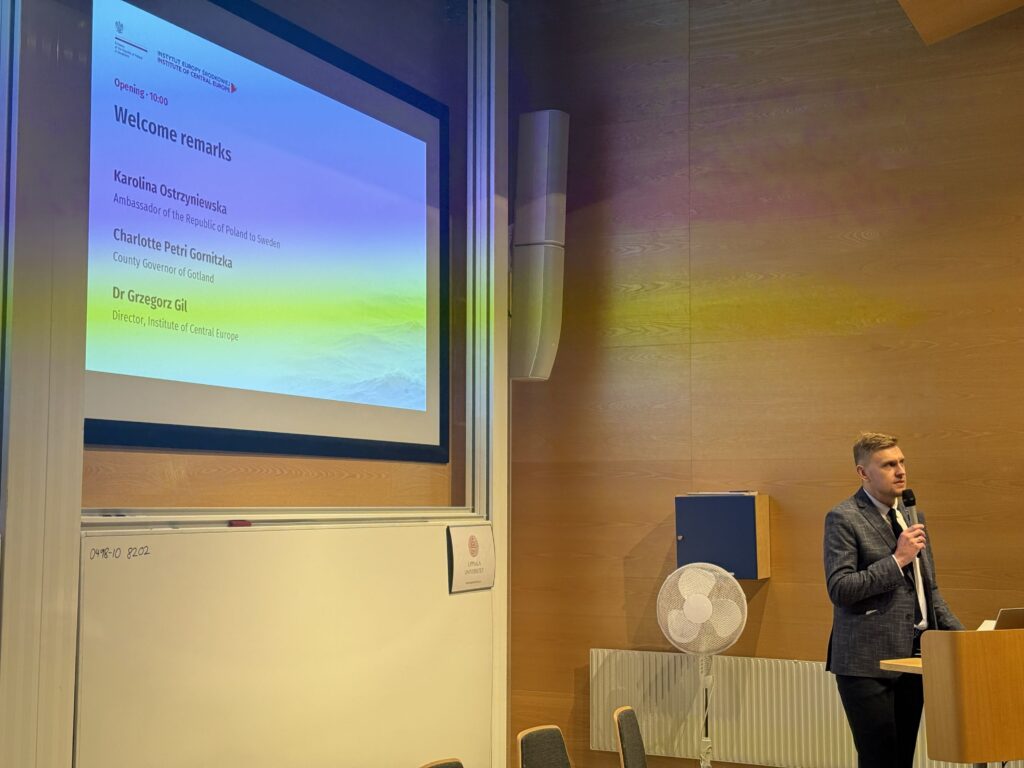
The seminar was opened by Karolina Ostrzyniewska, Ambassador of the Republic of Poland to the Kingdom of Sweden; Charlotte Petri Gornitzka, Governor of Gotland County; and Dr Grzegorz Gil, Director of the Institute of Central Europe.
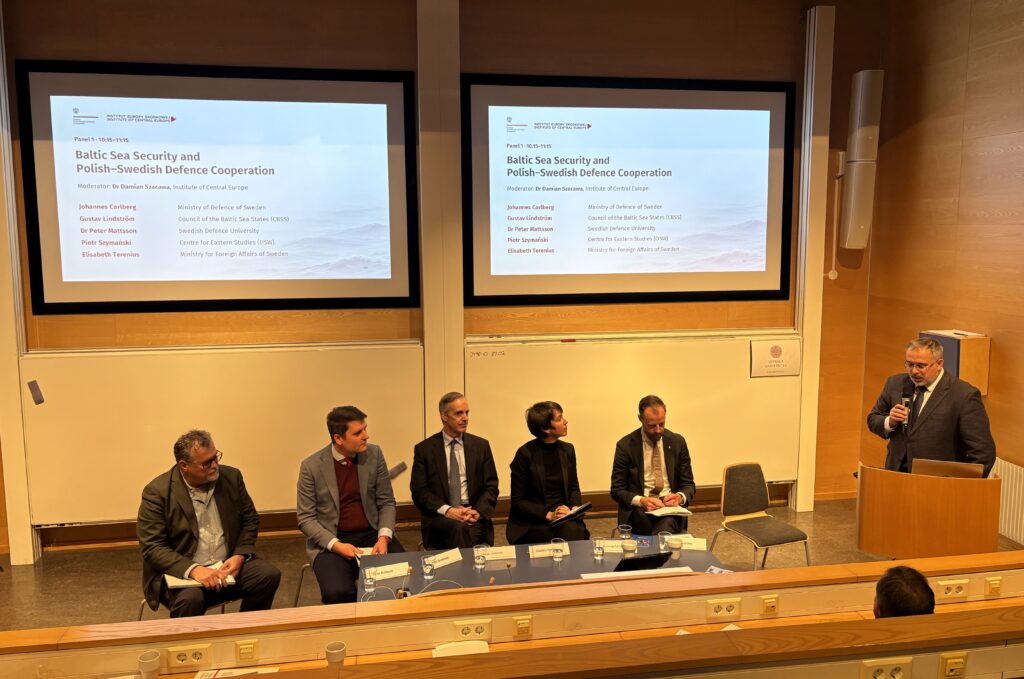
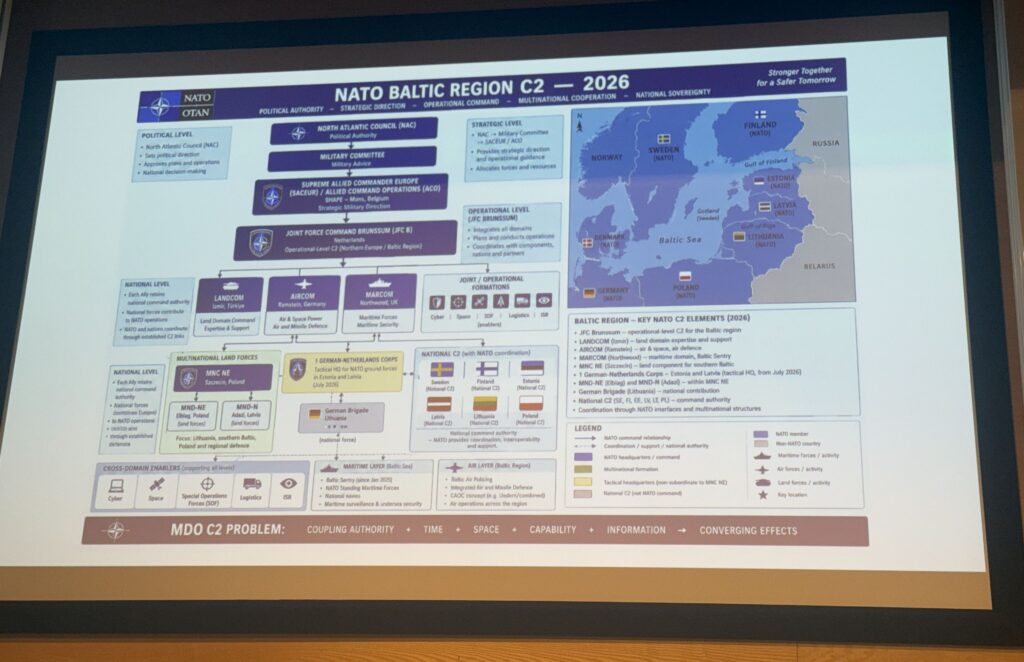
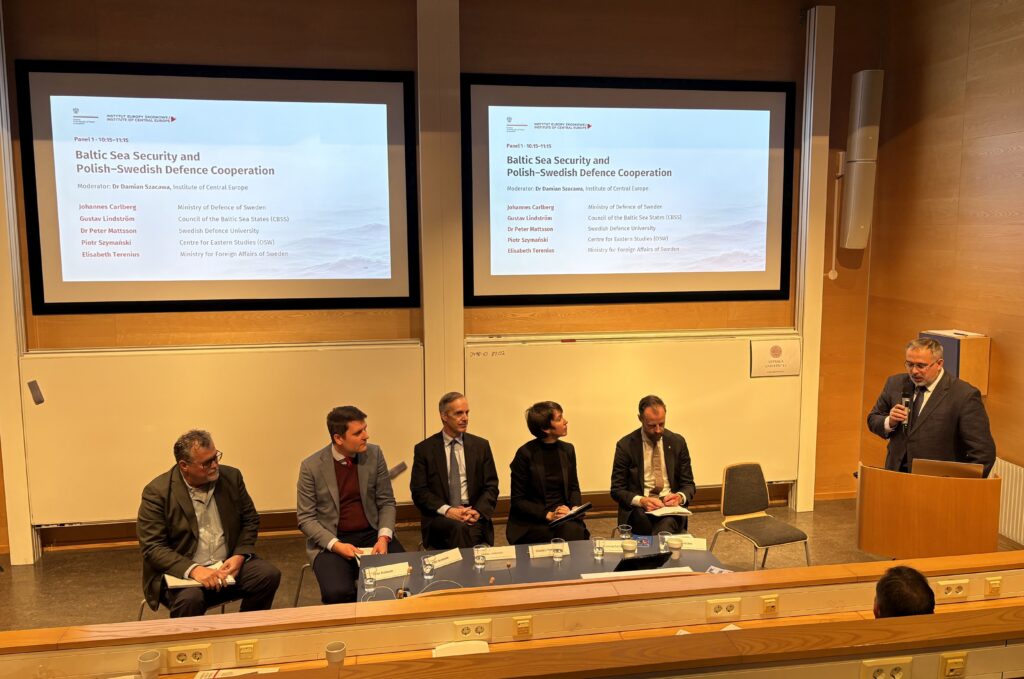
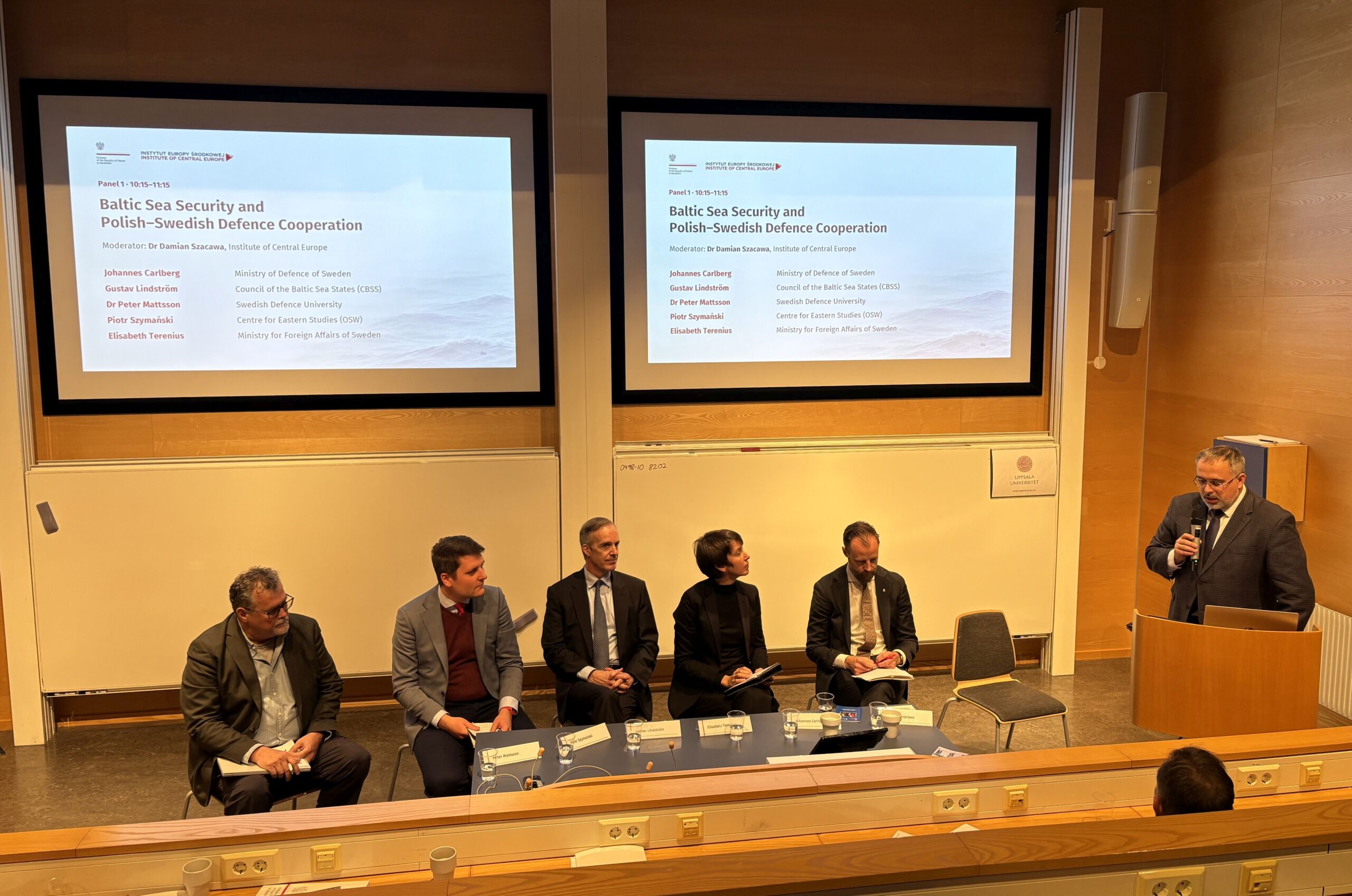
The first panel focused on Baltic Sea security and Polish-Swedish defence cooperation. The discussion was moderated by Dr Damian Szacawa, Head of the IEŚ Security and Development Team. The panellists included Johannes Carlberg (Swedish Ministry of Defence), Dr Gustav Lindström (Council of the Baltic Sea States), Dr Peter Mattsson (Swedish Defence University), Piotr Szymański (Centre for Eastern Studies), and Elisabeth Terenius (Swedish Ministry for Foreign Affairs). The discussion centred on changes in the regional security environment since 2022, Gotland’s strategic importance for NATO, and the role of regional cooperation frameworks such as the CBSS, NB8, and JEF.
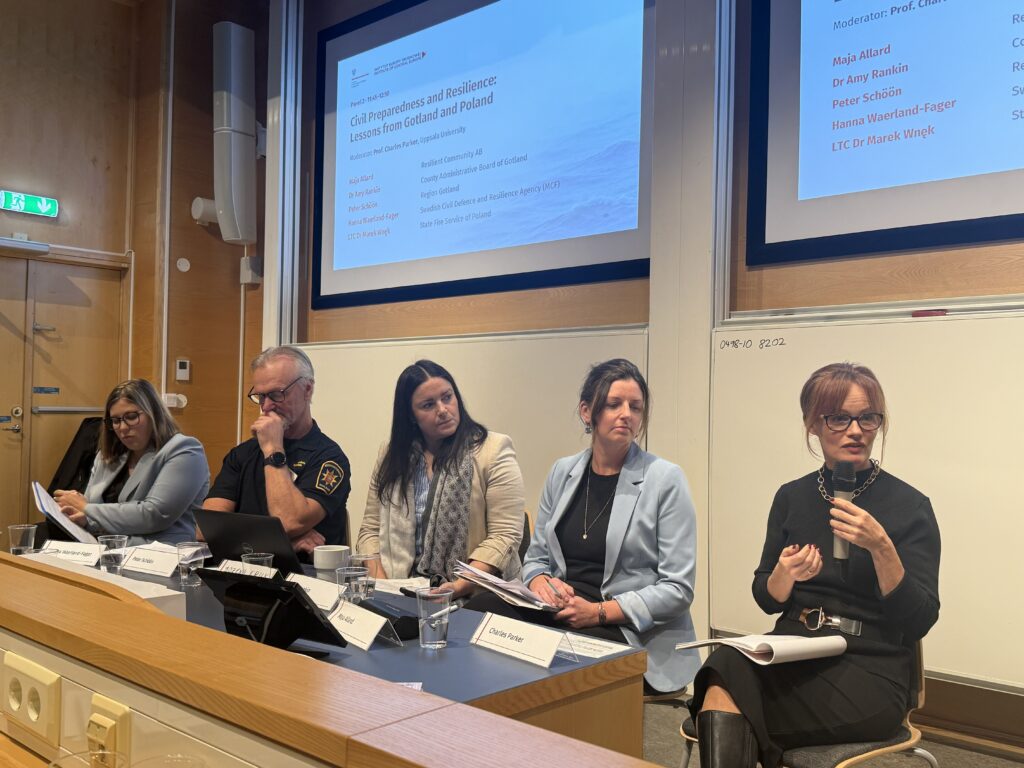
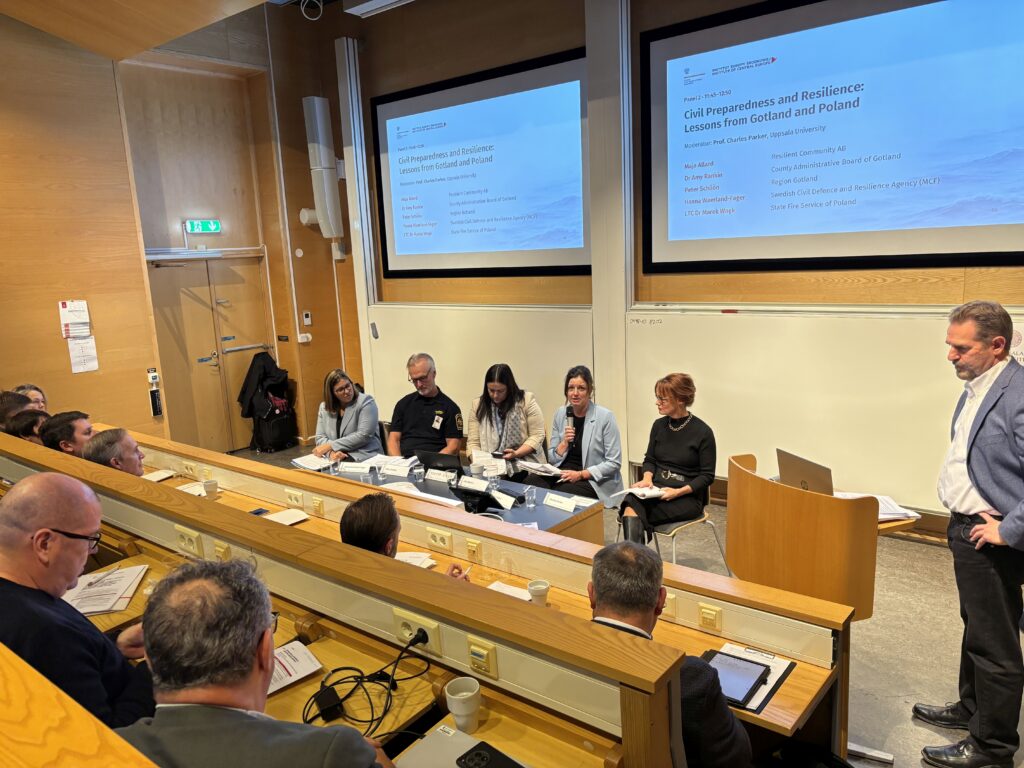
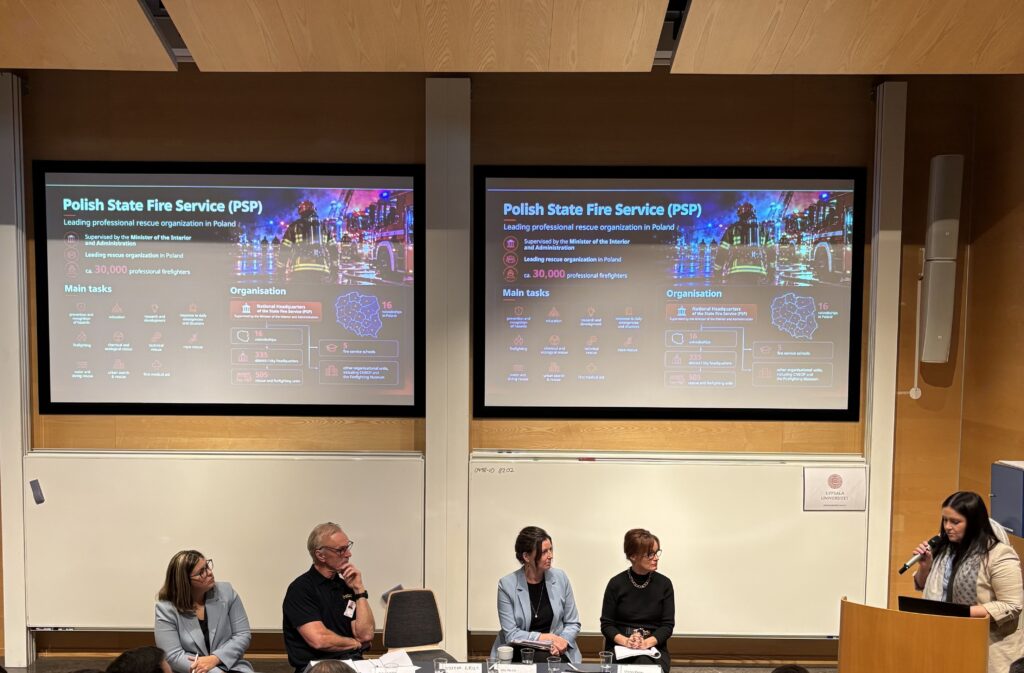
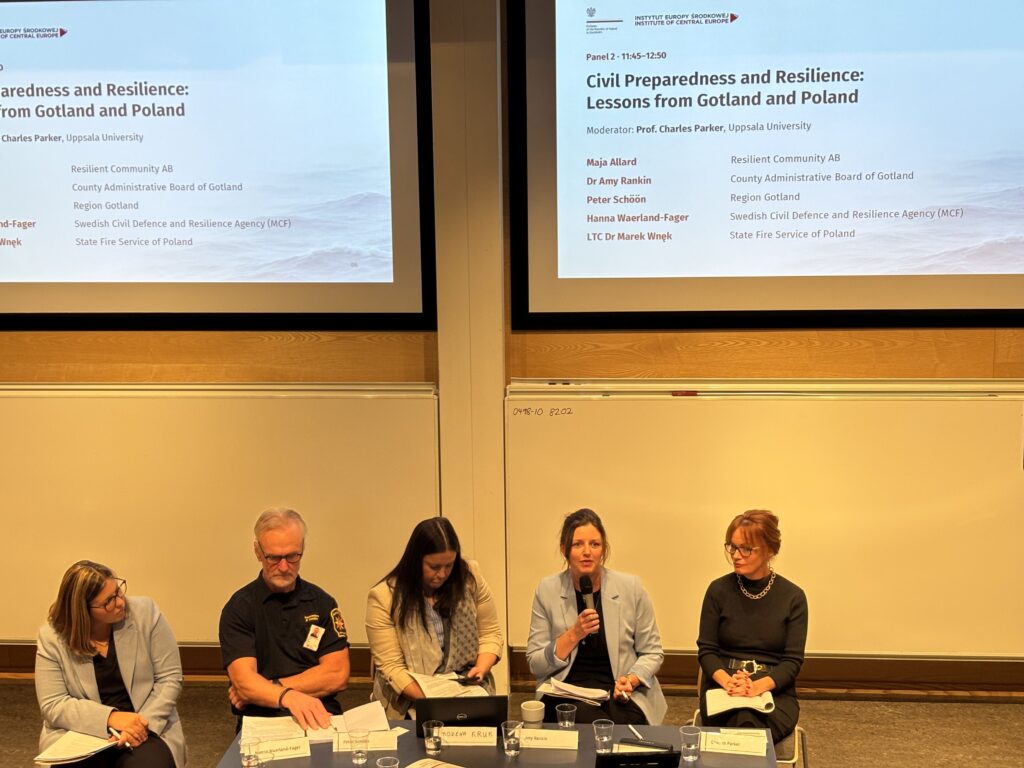
The second panel addressed civil preparedness and resilience. It was moderated by Professor Charles Parker of Uppsala University. The discussion featured Maja Allard (Resilient Community AB), Dr Amy Rankin (County Administrative Board of Gotland), Peter Schöön (Gotland Region Rescue Services), Hanna Waerland-Fager (Swedish Agency for Civil Defence and Resilience), and Bożena Kruk (National Headquarters of the State Fire Service of Poland). Participants compared Sweden’s total defence model with Poland’s experience following the entry into force of the Act on Civil Protection and Civil Defence. They also discussed civil-military cooperation, cross-border evacuations, security of supply, and the role of local communities and volunteers in building resilience.
The seminar brought together approximately 25 representatives of national and regional authorities, emergency services, think tanks, and academic institutions from Poland and Sweden. The discussions were held under the Chatham House Rule. Security of supply, joint exercises, and the exchange of operational experience were identified as areas in which the two countries could rapidly deepen their cooperation.
On the day preceding the seminar, Dr Grzegorz Gil and Dr Damian Szacawa met in Stockholm with the leadership of the Swedish Institute of International Affairs (UI). The talks focused on cooperation between the two institutions in 2027.