Skip to content

Keyword: sanctions

IEŚ Commentaries 1729
26 October 2026

Europe’s Approach to Natural Gas Supplies from Russia

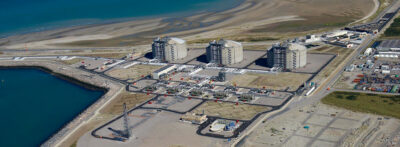
European countries have been reducing their purchases of Russian natural gas since Russia launched its full-scale war against Ukraine. However, the pace of this process has varied. In the first nine months of 2026, European Union member states imported approximately 11% more Russian liquefied natural gas (LNG) than in the same period of the previous year, despite the announced ban...

More: Europe’s Approach to Natural Gas Supplies from Russia

IEŚ Commentaries 1693
3 September 2026

U.S. Sanctions and the Insolvency Proceedings of Romania’s Petrotel Refinery

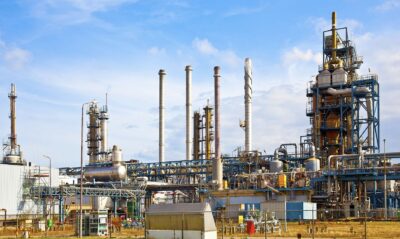
Romania’s Petrotel refinery, owned by the Russian energy company Lukoil, entered into insolvency proceedings at the end of August 2026. The decision of the Ploiești Tribunal, which has jurisdiction over Prahova County, followed nearly a year of inactivity at the facility after Lukoil was placed under U.S. sanctions in the autumn of 2025. State supervision over the assets as...

More: U.S. Sanctions and the Insolvency Proceedings of Romania’s Petrotel Refinery
IEŚ Commentaries 1652
2 July 2026

European Union Sanctions on Russian Natural Gas Supplies in the Context of the Security of Central European Countries

The entry into force of successive EU restrictions on imports of Russian natural gas is intended to complete the process of phasing out supplies from Russia and to permanently reshape the structure of the European market for this commodity. The REPowerEU regulation, adopted in early 2026, provides for a gradual phase-out of imports: from a ban on concluding new contracts, through...

More: European Union Sanctions on Russian Natural Gas Supplies in the Context of the Security of Central European Countries
IEŚ Commentaries 1506
22 January 2026

Hungarian MOL Takes Over Russian Shares in Serbian Company NIS

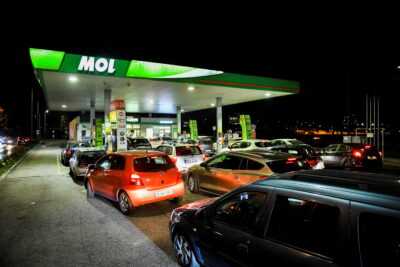
The declaration of intent by Gazprom Neft to sell its shares in the Serbian company Naftna Industrija Srbije (NIS) to the Hungarian firm MOL[1] represents one of the most significant developments in the Central European fuel market in recent years. MOL’s entry in place of the Russian owner is expected to restore the operational continuity of the Pancevo refinery while...

More: Hungarian MOL Takes Over Russian Shares in Serbian Company NIS
Informacje z kraju i świata